Trenchless Pipe Lining vs. Excavation in Lafayette, LA: Pros, Cons, and When Each Makes Sense
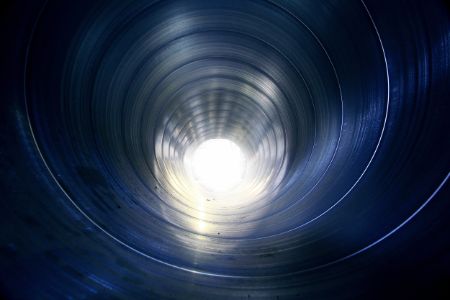
If your sewer line is failing in Lafayette, you usually face two paths: restore the pipe from the inside or dig it up and replace sections. This guide explains both choices in clear terms and shows where each one fits best for our soil, weather, and neighborhoods from River Ranch to Scott and Broussard. For many homes, our trenchless pipe lining service brings pipes back to life with little disruption, while excavation still has a role when damage is severe.
For a quick overview of our local approach to trenchless pipe lining in Lafayette, LA, see how Master Drain Services helps homeowners keep projects smooth and predictable.
What Trenchless Pipe Lining Is
Trenchless pipe lining restores a damaged sewer line from the inside. A flexible liner soaked with resin is inserted into the existing pipe, then cured to create a new, seamless interior surface. Think of it like putting a sturdy sleeve inside the old shell. This method avoids long trenches and helps protect landscaping, driveways, and mature trees common across Lafayette and Youngsville.
Because lining relies on the old pipe as a host, it often works well when the line has cracks, minor offsets, or root intrusion but still holds its general shape. It also pairs well with a camera inspection and cleaning before work begins.
What Excavation Is
Excavation means digging to expose the line, removing damaged sections, and installing new pipe. Crews may need access through lawns, flower beds, or even hardscapes. In Lafayette’s heavy clay with a high water table in some areas, excavation can take careful planning to prevent soil collapse and to keep the trench safe and dry. Excavation is a proven, time-tested approach and is the right call when the existing pipe is collapsed, severely deformed, back-pitched, or has widespread joint failure.
If you’re curious how full dig projects are handled, explore our dedicated service page for sewer drain pipe excavation and see where replacement makes sense.
How Each Method Works, Step by Step
Typical Trenchless Workflow
First comes diagnosis. A camera inspection maps the issue and confirms that lining is possible. The line is then cleaned to remove roots and scale so the liner can adhere to a clean surface. A resin-saturated liner is pulled or inverted into place and cured. After curing, reinstatements are opened so each fixture can drain properly. Finally, another camera pass verifies smooth flow.
Typical Excavation Workflow
Crews locate utilities, mark the line, and dig to expose the failed section. The damaged pipe is removed, bedding is prepared, and a new section is installed. After testing for proper grade and flow, the trench is backfilled and compacted. Surface restoration follows once the ground settles.
Yard Impact: What Homeowners Notice
Homeowners care about how the yard will look once the trucks leave. Here’s what to expect:
- Trenchless: Minimal disturbance. Access is often through a small pit or existing cleanout. Lawns, shrubs, and hardscapes usually remain intact.
- Excavation: Visible trenching. Expect sod removal and soil piles during work. Surfaces may need reseeding or hardscape repair after backfill.
In established neighborhoods like Saint Streets or along older tree-lined blocks, preserving landscaping is often a top priority. **If protecting your yard is the deciding factor, trenchless is typically the front-runner.**
Timelines: From First Visit to Final Flow
Every property is different, but you can plan around these general patterns in Lafayette:
- Trenchless: Often completed in a shorter window once cleaning and prep are finished. Cure time depends on resin and conditions.
- Excavation: More time for digging, pipe replacement, inspections, and backfill. Surface restoration adds additional time.
Weather matters. Heavy rain common in late summer can slow excavation by flooding trenches, while heat and humidity can affect how resins cure. **Scheduling before prolonged rainy stretches can help keep either method on track.**
Long-Term Durability: How Repairs Hold Up
Modern lining materials are designed for strength and smooth flow, which can reduce future buildup. Because the interior is jointless, tree roots have fewer places to enter. On the other hand, excavation replaces damaged sections with new pipe and fresh connections. Both methods aim for long service life when installed correctly and maintained with smart habits.
Want to understand what damages lines in the first place? This article on common causes of sewer pipe damage explains how roots, corrosion, and age lead to recurring problems around Lafayette.
When Trenchless Pipe Lining Makes Sense in Lafayette
Choose lining when:
• The pipe still holds its shape, with cracks, minor offsets, or root intrusion
• You want to protect landscaping, driveways, or patios
• You need a faster return to normal with fewer visible repairs
Trenchless shines in neighborhoods with established trees like parts of Broussard and Carencro, or where driveways and sidewalks would be costly to remove. **If access is tight or you want to avoid large trenches, lining is often the best fit.**
When Excavation Makes Sense in Lafayette
Pick excavation when:
• The line is collapsed, badly deformed, or back-pitched
• There are wide gaps, missing sections, or widespread joint failure
• You need to change the pipe’s route or depth
In some older properties near downtown or where past repairs were pieced together, a fresh section of pipe can be the simplest, most reliable path forward.
Cleaning and Inspection: The Hidden Keys to Success
No matter which path you choose, cleaning and inspection are non-negotiable. A thorough camera inspection confirms what you can’t see from the surface and helps prevent surprises. Proper cleaning removes roots and scale so a liner bonds well and new pipe sections join cleanly. If you’re preparing for lining, reading up on what hydro jetting is can help you understand how tough buildup is cleared before the liner goes in.
Yard Damage, Timelines, and Durability: A Quick Comparison
Yard impact: Trenchless has the edge for minimal disturbance. Excavation impacts the surface but allows full replacement where needed.
Timelines: Trenchless usually moves faster from prep to completion. Excavation takes longer, then restoration follows once soil settles.
Durability: Both can deliver long service when installed properly and maintained. Good habits, like not flushing wipes and scheduling periodic inspections, protect your investment.
Local Factors Lafayette Homeowners Should Weigh
Soil and water table: Heavy clay soils can hold water and become slick, which affects trench stability. Lining avoids most of that. Rain patterns: Late-summer storms can slow excavation and site restoration. Property layout: Mature oaks, tight side yards, and long driveways favor lining because access needs are smaller. Code and permits: Requirements vary by jurisdiction and scope; your project manager will advise what is needed for your specific address.
What To Expect During Your Project
Consultation: We listen to symptoms like slow drains, gurgling, or recurring backups. Diagnosis: A camera run maps defects and confirms whether lining or digging is smarter. Plan: You get a clear scope, timeline, and restoration plan. Work: Crews arrive prepared, protect access paths, and keep the site tidy. Wrap-up: We verify flow and discuss upkeep to help prevent future issues.
Upkeep matters. Simple changes like being careful about what goes down the drain and scheduling periodic inspections extend the life of any repair. In tree-heavy areas, plan on routine checks so roots do not get a head start.
Real-World Examples Around Lafayette
In River Ranch, homeowners often want to keep landscaping intact, so lining is a strong choice when the host pipe allows it. In older homes off Johnston Street or near downtown where sections have settled, excavation may be the safer long-term answer. In growing areas of Youngsville and Scott, we see both solutions depending on pipe condition, access, and how fast the family needs the system restored.
Not Sure Which Route To Pick?
If the pipe is structurally sound enough to host a liner, trenchless typically offers the best mix of speed, protection for your yard, and smooth interior flow. If the line has major deformation or collapse, excavation gives you a clean slate with new materials and proper slope. When in doubt, a camera inspection will make the choice clear.
Talk With a Local Pro You Can Trust
Master Drain Services helps Lafayette homeowners compare options and choose what truly fits the problem, not just the preference. If you want minimal digging and a faster turnaround, explore our no-dig lining option. If you expect major structural issues, replacement with excavation may be the right move. Either way, we will walk you through the plan so you know what to expect at each step.
Ready To Protect Your Home and Yard?
Call Master Drain Services at 337-573-2564 to schedule your sewer evaluation. If trenchless is the right fit, we will confirm it with a camera inspection and give you a clear path forward. When you are ready, our team can start quickly and keep your property tidy from start to finish.
Take the next step today and get your line back to reliable flow with our trenchless pipe lining team in Lafayette.

Reach Out To Your Lafayette Master Drain Services For Your Plumbing And Drain Cleaning Needs.