Tree Roots in Sewer Lines: Signs, Solutions, and How to Prevent Repeat Clogs
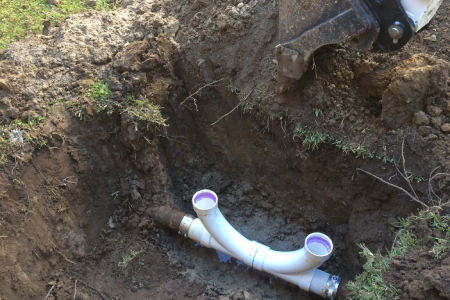
If you are dealing with roots in a sewer line in Lafayette, LA, you are not alone. Our live oaks, magnolias, and soggy summer soils make root intrusion a year-round risk, especially for older homes with clay or cast iron lines. When roots break into a pipe, they trap grease, paper, and debris until flow slows and blockages begin. That is when a licensed team should inspect and perform targeted sewer pipe repair to restore reliability and protect your home.
Below, you will learn the signs to watch for, what the professional removal process looks like, and the best ways to avoid the same clog returning. We will also cover local factors in Lafayette that can speed up root growth and what to consider when choosing between trenchless lining and open digging. If you want a dependable plumbing partner who knows Acadiana soils and weather, you are in the right place.
Why Tree Roots Invade Sewer Lines In Lafayette, LA
Roots chase moisture and nutrients. A cracked joint or tiny pinhole in a buried pipe releases both, which works like a magnet for thirsty roots during hot, dry spells and after big Gulf rains. In Lafayette neighborhoods like River Ranch, Freetown, and around the University area, higher water tables and shifting soils can widen small pipe defects, making it easier for roots to slip in.
Homes built decades ago often have clay or cast iron laterals. Clay joints can separate, and older iron can corrode. Once roots find a gap, they thicken, branch, and form a net that snags wipes and paper. Over time, that net becomes a plug, and wastewater has nowhere to go.
Telltale Signs Your Sewer Line Has Root Intrusion
Root intrusion builds slowly, but the warning signs are pretty consistent. Spotting them early can spare you from backups during a summer storm or holiday weekend.
- Gurgling sounds in tubs or toilets when other fixtures drain
- Sinks and tubs that drain fine some days and slow to a crawl on others
- More than one fixture is backing up at the same time, often on the lowest level
- A toilet that needs frequent plunging even after light use
- Unpleasant sewage odors near floor drains or outside over the lateral path
- Green strips of lawn that grow faster above the sewer line
Never ignore sewage odors indoors or gurgling after flushing. These are often the first clues that roots are building a blockage and gases are escaping through the trap.
Professional Root Removal Methods That Actually Work
True fixes start with a diagnostic. A licensed technician will run a color camera down the line to confirm where roots entered, how dense the growth is, and whether the pipe is cracked, corroded, or bellied. From there, your team selects the right mix of tools to clear the obstruction and protect the pipe.
Chemical root killers are not a repair and can damage your pipe or the environment. The solutions below are professional-grade, targeted, and designed for long-term results.
- Hydro jetting for roots: High-pressure water scours the pipe interior and cuts fibrous growth without grinding the pipe itself. It is ideal when the line is structurally sound but choked with roots and debris.
- Mechanical root cutting: A rotating cutter head trims thicker root masses and clears heavy, woody intrusions that water alone cannot cut.
- Camera verification: After clearing, another pass confirms the obstruction is gone and identifies cracks or offsets that allowed the roots in.
- Trenchless lining after roots: If the pipe wall is cracked or joints are open, a cured-in-place liner creates a smooth, sealed path that blocks future root entry without digging up your yard.
When a section of pipe is fully collapsed or badly offset, traditional excavation may be required to replace that segment. Your technician will explain the options clearly and match the fix to the condition of your line, soil, and yard access.
How To Prevent Repeat Clogs After Root Removal
Clearing roots is step one. Keeping them from coming back is the long-term win. Your plan depends on the pipe’s age and condition, the tree species nearby, and how much yard disruption you can tolerate.
- Choose trenchless lining to seal cracks and joints so roots cannot re-enter.
- Commit to proactive camera inspections, especially before listing a home or after major yard work.
- Divert roof runoff and fix soggy spots that keep soil damp over the lateral.
- Plant new trees at safe distances from the sewer path. Ask for species with slower, less aggressive root systems.
- Avoid flushing wipes, hygiene products, and grease that speed up new blockages.
For many Lafayette homeowners, lining a sound but leaky pipe is the sweet spot. It prevents re-growth without digging across driveways, patios, or prized landscaping. For newer PVC lines, a simple joint repair may be all that is needed when camera work shows a single defect.
Local Factors To Consider Before You Schedule Repairs
Soils and water table: Our area sees frequent heavy rains and a relatively high water table. Saturated ground puts pressure on aging pipe joints, which can widen existing gaps after storms.
Tree species and placement: Live oaks and cypress can send roots far in search of moisture. Lines that run through older lots in neighborhoods like Broadmoor, Bendel Gardens, and parts of Scott or Youngsville may be closer to big root systems than you think.
Access and utilities: Easements, fences, and patios affect how a crew reaches your line. Your technician will locate cleanouts, mark utility lines, and map the lateral so the least disruptive solution can be used.
When To Choose Trenchless Lining Versus Traditional Digging
Both approaches have a place. The right choice depends on the pipe’s structure and the extent of damage from root intrusion.
Choose trenchless lining after roots when the camera shows open joints, minor cracks, or small offsets, but no severe collapses. The liner seals the pipe wall, creates a smooth interior that resists snags, and blocks future root entry. It is a good fit when you want to protect landscaping, driveways, or mature trees.
Choose open trench repair when the pipe is crushed, deeply bellied, or displaced, or when a very short section needs targeted replacement. After excavation and repair, a follow-up camera read confirms proper slope and sealing.
In either case, your team should provide a recorded camera inspection before and after the work. That video becomes your proof that the line is clear and ready for everyday use.
What To Expect During A Professional Visit
The first visit focuses on diagnosis and stabilization. A licensed technician will locate the line, run a camera, and discuss the findings with you. If roots are the main issue and the pipe is otherwise stable, hydro jetting for roots or a cutting head clears the blockage the same day. If the pipe needs structural work, you will get a plan for lining or replacement, including how your yard access affects the approach and timeline.
Many Lafayette homes can be restored to full flow in one visit. Liners and excavations take more coordination, but they are planned to minimize yard disturbance and downtime. Your crew will protect walkways and clean up thoroughly before leaving.
Why Act Now Instead Of Waiting
Root intrusion does not stay still. Every flush pushes debris into the tangle, which tightens the plug. Waiting can turn a simple lining job into a deeper dig after another storm shifts the soil. Acting early also reduces the risk of wastewater backing up into tubs or floors, which is frustrating and unsanitary.
If your camera shows open joints and early root growth, fixing it now is almost always easier than waiting for a full blockage. A smooth, sealed pipe is like a newly paved road. Wastewater glides through without catching, which keeps odors down and fixtures quiet.
Your Next Step In Lafayette, LA
Ready to stop the cycle of slow drains and backups for good? Start with a camera inspection and a plan that matches your home’s age, soil, and tree layout. If the line needs structural help, a liner or short, targeted replacement prevents roots from sneaking back in.
For a fix that lasts, choose a licensed local team that handles both clearing and structural sewer pipe repair. You will get an accountable crew from inspection to final verification, so nothing falls through the cracks.
For fast, local help in Lafayette, call Master Drain Services at 337-573-2564 to schedule your camera inspection today. Prefer to book online? Get started now and learn how professional sewer pipe repair prevents roots from coming back after removal.

Reach Out To Your Lafayette Master Drain Services For Your Plumbing And Drain Cleaning Needs.