Sewer Camera Inspection Lafayette, LA: What the Plumber Sees and What It Means for Your Repair
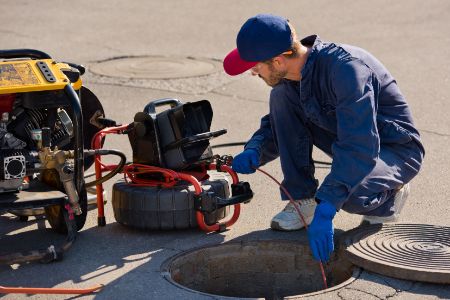
When drains gurgle or the same toilet backs up twice in a month, you want a straight answer. A sewer camera inspection in Lafayette, LA shows what is happening inside the line so the repair fits the problem. With Master Drain Services, a trained technician sends a high‑definition camera through your cleanout, documents the line in real time, and marks exact problem spots for targeted fixes. If you need clarity instead of guesswork, schedule a quick sewer video camera inspection with our team today.
Why Sewer Cameras Matter In Lafayette, LA
Lafayette homes deal with heavy rains, shifting soils, and strong tree root systems from live oaks and cypress. Older neighborhoods near Downtown, Freetown‑Port Rico, and River Ranch often have clay or cast iron laterals that can shift or corrode over time. A camera inspection replaces digging and trial‑and‑error with visual proof. You see the line, we record depth and distance, and you get a repair plan grounded in evidence.
What the Plumber Sees on the Screen
Every line tells a story. Here are the most common findings in our area and what they mean for your sewer’s health:
Root Intrusion
Roots squeeze through tiny gaps at joints and grow toward moisture. On camera they look like thin hairs or thick mats that can slow or block the line. Left alone, roots widen openings and can invite soil into the pipe. Clearing the roots is only part of the job. We also look for the opening they used so the fix lasts.
Pipe Bellies and Standing Water
A belly is a low spot in the line where water collects. On video, the picture dips under water and the distance counter keeps ticking as we push through. Bellies can trap waste and grease and often cause slow drains after big summer storms. Small bellies might be monitored. Larger ones can demand repair to restore a steady slope.
Offsets and Misaligned Joints
Offsets happen when one pipe section shifts up, down, or sideways from the next. The camera shows a sharp lip or a shelf where solids catch. Offsets often come from soil movement or settling near driveways, large trees, or recently added patios. We record the depth and location so repairs target the joint, not the whole line.
Cracked or Broken Pipe
Cracks appear as hairlines or jagged openings. Breaks show missing chunks or collapsed sections with exposed soil. These defects can allow roots in and wastewater out. In Lafayette’s wet months, that mix can wash more soil away and make the failure grow.
Scale, Grease, and Corrosion
Cast iron can build up flaky scale that narrows the pipe. Kitchens often show thick grease deposits. Both look rough and dark on the video and can be cleared with the right cleaning method before we re‑scope to confirm the result.
How Findings Translate Into Repair Options
The goal is to match the fix to the fault. We start with the least invasive approach that still delivers a reliable outcome.
- Roots, scale, or grease: We clear the line, then re‑scope to confirm clean walls and normal flow.
- Single offsets or cracks: A spot repair at the marked depth can solve it without replacing the entire run.
- Long cracks, severe corrosion, or repeated failures: Relining or replacement creates a durable path for the long term.
When a defect needs a structural fix, your technician may recommend sewer pipe repair at the precise joint or section we marked. For longer damaged runs, trenchless pipe lining can restore flow from the inside with minimal digging. Both choices begin with solid video evidence so you invest in the right solution the first time.
When to Book a Sewer Scope in Lafayette
You do not need to wait for a full backup. These signs suggest it is time to take a look:
- Slow drains in more than one room or gurgling after showers
- Toilet clogs that return even after a professional clearing
- Lush grass strips or soggy spots along the sewer path
- Rotten‑egg or sewage smells, especially after heavy rain
- Older clay or cast iron lines in areas like River Ranch, Scott, or Broussard
- Buying or renovating a home and need proof of line condition
If you want a quick primer from a trusted local source, start at our home page with this helpful overview of sewer camera inspection Lafayette, LA to understand what to expect and how we guide you from video to verified repair.
What to Expect During a Camera Inspection
We keep the process simple and tidy so your home stays clean and your lawn remains intact.
- Access the line through an existing cleanout or a small access point.
- Feed the camera while tracking distance and depth with a locator.
- Record clear video, pausing at defects to explain what you see.
- Mark the ground above problem spots so repairs are exact.
- Review options and next steps, then send you the footage for your records.
Ask for a copy of the video and the locator notes so you can compare future inspections and confirm that any repair fully addressed the problem.
Local Factors That Shape Sewer Problems
Lafayette’s climate brings bursts of intense rainfall. That can pressurize saturated soils and nudge shallow laterals. Live oak and cypress roots are strong and persistent. They follow moisture and can sneak through tiny openings. In parts of Youngsville, Broussard, and Breaux Bridge, new patios or driveway work can also change ground load. The camera helps separate natural settling from construction impacts so the fix targets the real cause.
How We Decide on Cleaning Versus Repair
Not every finding needs excavation. If the video shows soft buildup or roots, we often clear the line and verify with a second scope. If the camera shows a hard defect like a cracked hub or a severe offset, we document it and explain why a structural repair is the safer path. Choosing repairs based on evidence prevents unnecessary digging and keeps your yard, driveway, and foundation safe from avoidable disruption.
Understanding “Pipe Belly,” “Offsets,” and “Cracked Pipe” in Plain Language
Homeowners hear these terms but rarely see them until we play the video. Here is a simple way to think about each:
Pipe belly: Imagine a shallow bowl in the middle of a slide. Water slows down in the bowl, and solids can settle. Over time that bowl fills faster after storms and sends clogs back toward your fixtures.
Offsets: Picture two book edges that do not line up. The overhang becomes a ledge that toilet paper catches on. One offset can be manageable. Several in a row create a set of speed bumps that keep causing trouble.
Cracked pipe: Think of a split garden hose. Water leaks out and dirt can fall in. The split expands as the ground moves, which is why we match the fix to the crack’s length and location.
Do not ignore sewage smells indoors. Odor often points to vent or trap issues, but it can also signal a deeper problem in the sewer lateral that deserves a look.
Why Video Proof Helps Insurance and Future Home Sales
Clear footage and notes help you talk with adjusters, buyers, and property managers. If you are selling a home near Downtown Lafayette or in Youngsville, a clean scope can boost confidence. If defects appear, the recording helps everyone agree on scope and sequence. That reduces surprises during negotiations and sets fair expectations for timing and access.
From Video to Verified Fix With Master Drain Services
We believe the best repair plans are simple, visible, and documented. First we show you the issue on camera. Then we propose the right step, whether that is clearing roots and re‑scoping, a pinpoint sewer pipe repair, or a longer‑run solution like trenchless pipe lining. Evidence leads the job from start to finish so you can feel confident about the result.
Ready for a Clear Answer?
If you are dealing with repeat clogs, slow drains after summer storms, or mystery odors, it is time to see what is really in the line. Book your sewer video camera inspection with Master Drain Services. Call 337-573-2564 to get on the schedule, and our local team will guide you from camera to complete repair with steady communication the whole way.

Reach Out To Your Lafayette Master Drain Services For Your Plumbing And Drain Cleaning Needs.